Attorney ad litem fees
When a beneficiary is a minor or cannot be located, the court appoints counsel to represent that interest. The estate pays for representation nobody in the family requested.
settling estates and deciding when to hire legal help for wills and probate, using Texas procedure as the working example
Whether a Texas executor needs an attorney turns on five checkable facts about the will, the heirs, the assets and the court, and each one carries a price.
Banks, title companies and brokerages generally act only on letters testamentary, not on the will itself. Until the court issues them, a named executor has authority on paper and none in practice.
An independent executor administers without ongoing court supervision, while a dependent administrator seeks court approval for significant acts. The difference shows up directly in attorney hours.
A will signed with a self-proving affidavit spares the estate the task of locating a witness years later. Without one, someone must testify or a substitute proof must be arranged.
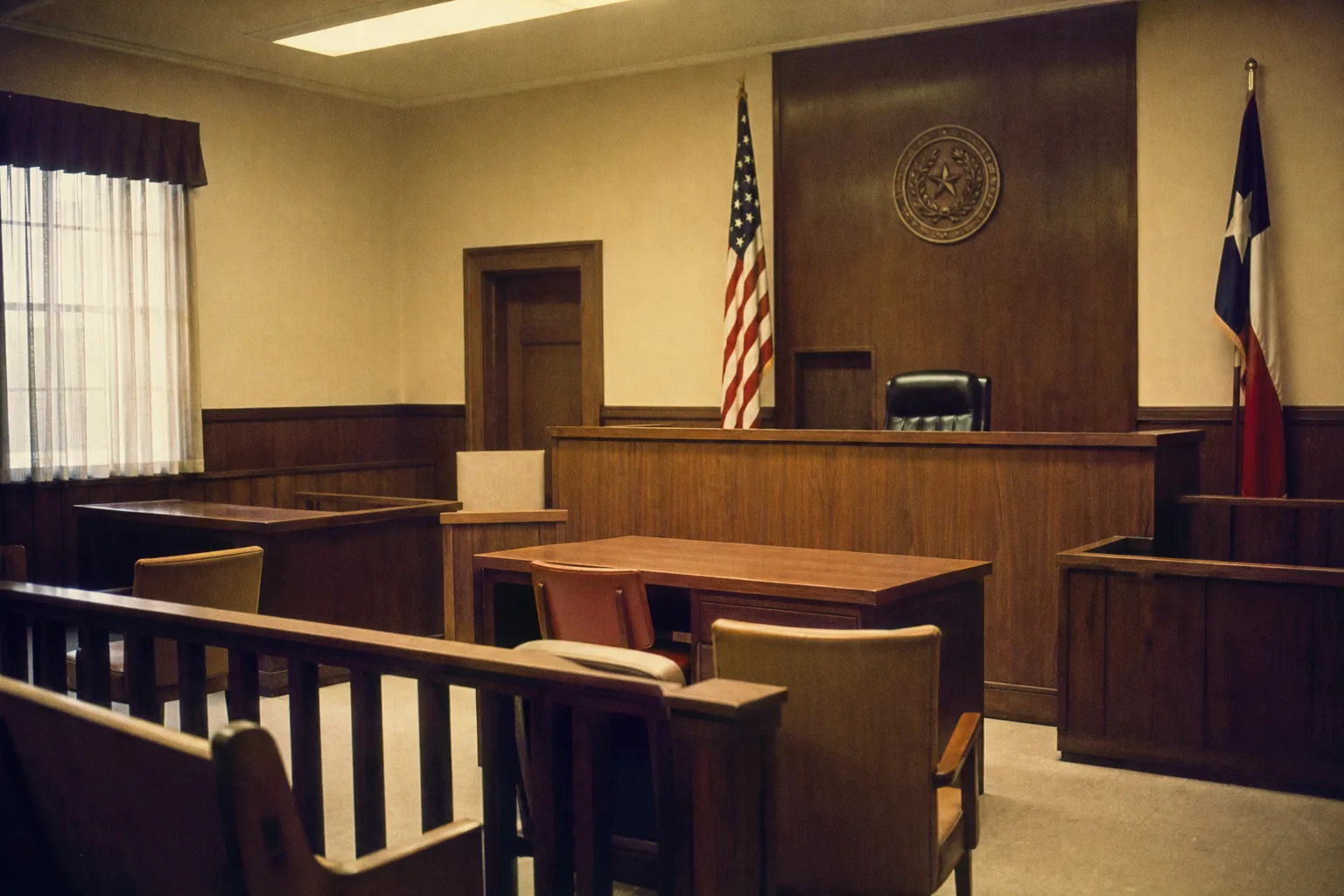
When a beneficiary is a minor or cannot be located, the court appoints counsel to represent that interest. The estate pays for representation nobody in the family requested.
Texas executors must publish notice to unsecured creditors and give direct notice to secured ones within statutory deadlines. The publication cost is small; missing the deadline is not.
An independent executor may file an affidavit in lieu of a public inventory when there are no unpaid debts other than secured ones. Either way, the filing deadline is fixed.
Being named executor in a Texas will does not make you the executor. A court has to admit the will, find that you are qualified, and issue letters testamentary before a bank will speak to you about the decedent's accounts. That gap between appointment on paper and authority in practice is where the money decision sits, because the route through it varies enormously in cost depending on facts you can check in an afternoon. Five of them do most of the work, and none require a legal opinion to establish.
Texas gives testators a tool most states do not: the independent executor, who administers the estate without court supervision after the initial appointment. No annual accountings filed for a judge to approve, no permission sought before selling a car or paying a creditor. If the will contains that language, the expensive part of probate mostly disappears, and what remains is one hearing and a stack of correct paperwork. If the will omits it, you are looking at dependent administration, which means court approval for meaningful acts and attorney time attached to each approval. The second fact is the self-proving affidavit. A will properly self-proved needs no witness dragged into court years later, which matters when the witnesses have moved, died, or cannot be located at all.
An uncontested probate of a self-proved will with independent administration language is close to a clerical exercise, and several Texas counties process them in a single short hearing. A contest changes the arithmetic completely, because contested matters bill by the hour and hours accumulate through discovery, depositions, and settings that get moved. The question to ask honestly is not whether anyone is unhappy but whether anyone has both a grievance and the money to pursue it. Minor beneficiaries create a separate issue: courts appoint attorneys ad litem to represent interests that cannot represent themselves, and the estate pays that fee whether you wanted the representation or not. So does an unknown or unlocatable heir.
Estate size matters less than estate composition. A million dollars sitting in retirement accounts with named beneficiaries may require no probate at all, while a modest estate holding one house, a partial mineral interest, and a checking account in the decedent's sole name may require the full process. Real property is the usual reason. Title companies want to see letters testamentary or a recorded muniment of title order before they will insure a sale, and no amount of family agreement substitutes. Out-of-state property adds a second jurisdiction, its own filing fees, and often its own attorney. Oil and gas interests add division orders and operators who each have their own documentation demands. If you are weighing whether an Estate Attorney El Paso is worth the fee, the asset list is where the answer usually reveals itself.
Texas courts have held that an executor applying to probate a will is representing the interests of the beneficiaries, not just themselves, which is why many probate courts will not accept a pro se application from a proposed executor. Practice varies by county, and the clerk's office will tell you what that particular court expects before you file anything. Assume, then, that representation is likely required for the appointment itself, and price accordingly. A simple uncontested independent administration is usually quoted flat, and the quote should specify what it includes: the application, the hearing, the oath, the published notice to creditors, and the inventory or the affidavit in lieu of inventory. Ask explicitly what falls outside the flat fee, because that list, not the headline number, determines your total.
Doing it without counsel is not free even when it is permitted, since filing fees, publication costs, certified copies, and a bond premium if the will does not waive bond all land regardless. The real cost of going alone is time and correction: a defective application gets reset, a missing citation restarts the clock, and an inventory filed late invites the court to act on its own. The real cost of hiring is a fee you can see in advance and compare against another quote. Federal tax obligations run in parallel, and the Internal Revenue Service is responsible for the final Form 1040 and any fiduciary return the estate owes, deadlines that do not pause while probate sorts itself out. Price both routes with those fixed costs included, and the choice usually stops being close.
Work the five facts in order, write down what each one implies, and take that page to whoever you call. An executor who arrives knowing the will is self-proved, the administration is independent, the heirs are adults who agree, and the only real asset is a house in one county is asking a much smaller question than the fee schedule assumes, and a straight answer to a well-specified question is generally cheaper than a general engagement.
A record of what one executor had to work out about Texas probate, kept public so the next person can compare numbers and procedures before making the first call.
Assets that skip probate